Small Intentional Actions for Lasting Change | NeuroHumanity

Jennifer Evans • November 20, 2026

Discover how small, intentional actions support lasting personal growth. Explore the Butterfly Effect, nervous system awareness, and the practice of RETURN.

You've likely heard of the Butterfly Effect, a concept from chaos theory that describes how small differences in initial conditions can lead to dramatically different outcomes over time. I like to think of this as a metaphor for the small choices we make in everyday life. Maybe this means that you miss the bus, but it causes you to meet your life partner. Or maybe you get coffee spilled on you, but the person who spilled ends up becoming the person you co-own a business with in 5 years. On an even bigger scale, the example that you might’ve heard is that a butterfly flapping its wings in Brazil will one day cause a tornado in Texas. The what-if list here could go on and on, but the message is clear:

We never know what small action is going to create macro-change.

And the same goes for micro-choices that we make in life. It’s the drop of water that expands into the ripples of growth, and into the waves of change.


In the beginning, this is something that can feel a bit uncomfortable. In the NeuroHumanity framework, it’s what we call the Open Door Metaphor. It’s when we’re standing at the precipice of change. It feels like we’re on the brink, and if we could just open this door and walk through, then we would be one step closer on the journey of feeling like we are aligning with what actually matters in our lives.


Here’s what it might feel like when we are on the brink of changes that we desire:

  • You feel “antsy” in certain areas of life - it can feel like you are outgrowing the space you are in. This might show up as thoughts wandering to ‘what ifs’ (whether they are positive or negative),
  • You don’t feel like you are being challenged - You desire growth, but the environment, circumstances, or internal narrative you have for yourself are no longer grabbing for something that means something to you. For example, you’ve been working on a project for quite some time, but that “spark” isn’t there anymore.
  • You feel like you are performing to perform rather than to live - and this one is rooted in what we call the Bedrock of the Mind. It’s when our rigid narratives form boulders that keep us stuck in our own minds. Instead of moving through a life that is connected to our values and purpose, we are going through the motions just to do them. Letting the boulders of our mind keep us stuck in old patterns that are no longer serving us.
  • You feel excited about what’s possible, but also afraid of what might happen - You probably have some daydream ideas about what might feel more aligned for you in life, but fear of the unknown might hold you back. This is completely normal! And it’s why we provide tons of tools for your growth journey.
  • You push yourself to make changes quickly, then feel overwhelmed and pull back - This is also a concept that we talk about in the NeuroHumanity framework and we call it the Pendulum and the Metronome. The Pendulum is when we swing way to one side: we overwork, we push to perform, we start the 30-day running plan and burn ourselves out by day 5. And then we swing to the other side of the Pendulum: we shut down, we avoid, we want to close out the world. This creates a sense of balance, but it’s not sustainable. That’s where the Metronome comes in (which we have a free 4-week series on). The Metronome helps us return to a sense of sustainable balance without feeling like we are swinging all over the place. It’s tapping into our life’s rhythm.
  • You feel stuck between the comfort of what’s familiar and the possibility of something different - and rightfully so! Our brains and bodies are constantly learning from our experiences, including what feels familiar, safe, or uncertain. When we begin considering change, we may notice ourselves returning to familiar patterns, even when those patterns are no longer supporting us.
  • You know what you want to change, but taking action feels harder than you expected - Maybe you are standing at the doorway, knowing so much about yourself and what you want to do, but the actual step forward just isn’t there. We build from Awareness, Acceptance, and Action. Action is an essential step in the journey of growth, but it’s also one that people really get stuck on (especially when you are highly self-aware).


So, how can we walk through the metaphorical door?


It starts with the flap of a butterfly wing. It starts with an intentional deep breath while we’re sitting at our computer. A moment of pause before we pick up the phone to scroll.


We aren’t going to run a marathon on day one of deciding that running a marathon is our goal. On day one, maybe it’s just that we decide and think about why we want to do it. We might not even run at all. Then on day 2, we might lace up our shoes and go for a walk outside, and a few days later, we jog a mile. The micro-step of lacing up your shoes translated into running a marathon. And that’s worth celebrating.


This is why we focus on dedication, accountability, and purpose in the NeuroHumanity framework. You decided your big picture goal, zoomed in and found ways to hold yourself accountable, and stayed accountable with your ‘why’, or purpose.

And this is why those small, intentional actions matter so much. That small drop in the water can become part of how we gradually build our capacity. We decide what actually matters to us (whether it’s in work, self, or in our relationships), and we chip away at it. We gain confidence as we see what we are capable of and this builds our motivation. It’s an upward spiral.

We have to start somewhere. Creating space to recognize and respond to the signals of our nervous system can help us feel more supported as we navigate change. That when the going gets tough, we have the capacity to find our metronome when the pendulum of life inevitably swings. That we can RETURN. It’s the intentional deep breath that invites us to pause, notice what’s happening within us, and create an opportunity to respond differently. Over time, these small moments of awareness and intentional action can help our capacity to navigate change.


So, what are you waiting for? The door is wide open.

Take your first micro-step


Emma | Lead Integration Coach


The NeuroHumanity Integration Lab is a completely free space for application of NeuroHumanity framework, created by Jenn Evans. This Lab is just one part of the experience! Explore our main substack page for even more insights, resources, and teachings from our founder.

The Lead Integration Coach, Emma von Holten, brings these concepts to life through practical, creative, and integration-focused experiences in the NeuroHumanity Integration Lab.


Want to explore our Learning Hub? We have self-paced courses, group and individual coaching, and so much more!

Start Free with
Micro-100: 100 Ways to Practice RETURN to Self



Smiling woman in a teal top beside the title “Visual Journaling: Finding the Return” on a watercolor-style background.
By Jennifer Evans • November 17, 2026
Discover how visual journaling supports self-awareness, emotional expression, and personal growth through NeuroHumanity, plus 5 simple ways to begin.
By Emma Von Holten • November 12, 2026
The science behind shorter days, shifting moods, and 10 cozy ways to welcome the darker months.
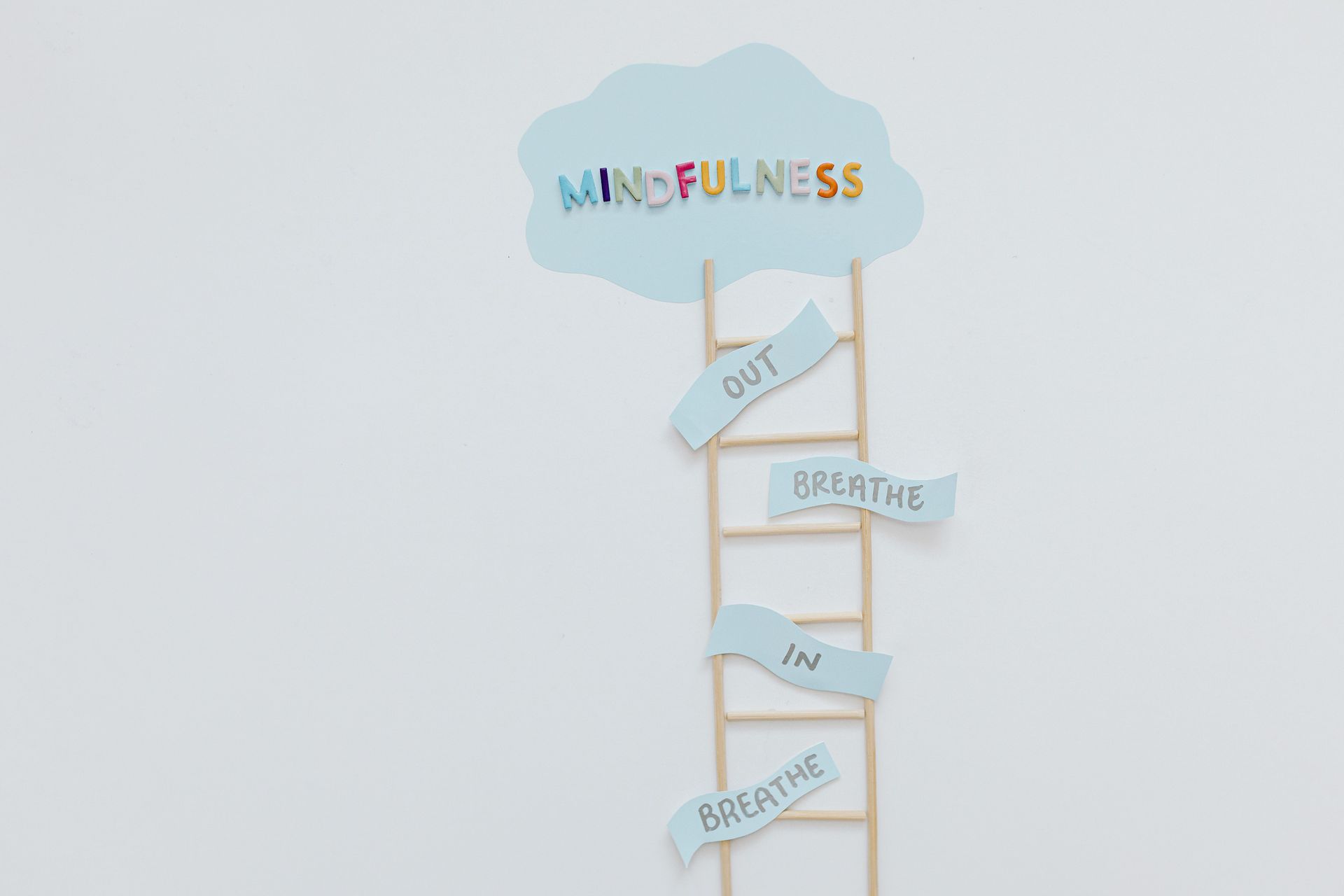
Mindfulness signpost with labeled arrows: out, breathe, and dreams on a light blue background
By Jennifer Evans • September 12, 2026
Explore mental health therapy & NeuroHumanity insights. Join us for support & sustainable change through counseling & coaching.
Pencil sketches of geometric building designs on paper with drafting tools nearby
By Jennifer Evans • June 11, 2025
Understand your motivation styles for personal growth. Access free resources like quizzes & consultations to enhance your mental health.
Parthenon temple on Acropolis, Athens, Greece, with Doric columns under a blue sky.
By Jennifer Evans • June 2, 2025
The Pillars of Success: Accountability, Dedication, and Purpose Success is not a single moment or event—it’s a lifestyle built on consistent choices, a resilient mindset, and meaningful values. While many factors can influence the path to success, three foundational pillars—accountability, dedication, and purpose—stand out as essential. Each serves a unique role in shaping a life of growth, achievement, and fulfillment. Among these, accountability is often the least glamorous, but it is the glue that holds the others together. Accountability: The Backbone of Success At its core, accountability is the willingness to take responsibility for your actions, behaviors, and outcomes—even when it's uncomfortable. It's about owning your decisions, following through on your commitments, and being honest with yourself and others. In the context of success, accountability is what transforms intention into action. You can have the strongest purpose and the fiercest dedication, but without accountability, those values remain ideas instead of reality. It helps you: Track progress: When you're accountable, you're actively measuring where you are versus where you want to be. Build trust: Whether with a team, a partner, or yourself, consistency and follow-through are the foundation of trust. Stay motivated: Knowing you're responsible for your results pushes you to keep going, especially when challenges arise. Correct course: Mistakes aren't failures—they're feedback. Accountability encourages reflection and adjustment, not denial or blame. Accountability doesn’t mean perfection—it means being present in the process and willing to confront the truth of your habits, patterns, and progress. Dedication: The Engine that Keeps You Going While accountability keeps you aligned, dedication is the inner drive that fuels the journey. Dedication is the choice to show up, even when it’s hard, inconvenient, or slow-moving. It’s what keeps you in the game after the excitement fades and the real work begins. True dedication means: Embracing the grind. Staying committed to the process, not just the outcome. Being consistent when motivation wanes. Dedication builds resilience, discipline, and character—qualities that no shortcut can replace. Purpose: The Compass that Guides You Purpose gives your work meaning. It’s the “why” behind your actions. Without purpose, even hard work can feel empty. But when you're connected to a greater purpose—whether it's serving others, fulfilling a personal mission, or building a legacy—your efforts become more powerful and sustainable. Purpose helps you: Stay focused during distractions. Make aligned decisions. Tap into intrinsic motivation rather than external validation. When your goals are tied to something bigger than yourself, your capacity to push through challenges multiplies. How the Pillars Work Together Imagine a three-legged stool: remove one leg, and it collapses. The same is true with accountability, dedication, and purpose. Accountability holds you responsible to your goals and values. Dedication fuels the long-term effort needed to reach those goals. Purpose keeps you focused on what truly matters. When all three are active in your life, success becomes more than a distant ideal—it becomes a sustainable and rewarding journey. Final Thoughts Success doesn’t just happen. It is built, brick by brick, with habits of responsibility, effort, and meaning. If you're looking to strengthen your foundation, start with accountability. Be honest with yourself. Track your commitments. Ask for feedback. And most importantly, take action—even small ones—with intention. Because when you hold yourself accountable, you stop waiting for success to happen—and start creating it.
By Jennifer Evans • May 21, 2025
The Funnel of Change: If you've ever committed to transforming some aspect of your life—whether it's a health goal, relationship pattern, career pivot, or mindset shift—you've likely experienced the frustrating cycle of initial progress followed by stagnation or backsliding. This isn't because you lack willpower or discipline. It's because you're trying to navigate change through the open-end of the funnel. The Negative Cycle is where we have a distressing thought/feeling/belief that we avoid which causes short-term relief and long term growth of low value, low capacity, and low motivation to want to better. While in this distress, we open ourselves up to over 2000 feedback loops that keep us in this distressed state. This where the funnel begins, we will be thrown out as soon as we avoid, leading us to feel more shame, guilt, and lack of control. The answer. Find purpose through outputs at each level. The more you are intentional, the more you can reach a positive flow state. LEARN MORE ON OUR YOUTUBE VIDEO Understanding the Funnel of Change Imagine personal transformation as a funnel—but not in the way you might expect. Most of us approach change from what I call the "open end" of the funnel: We focus exclusively on individual habits and behaviors We rely solely on personal willpower and motivation We keep our struggles and setbacks private We measure progress through isolated metrics We see transformation as a solitary journey This restricted approach creates a narrow channel for change—one easily blocked by life's inevitable challenges, internal resistance, or simple fatigue. Our natural propensity is to hop between these perceived control options, link to the language of discipline , and find ourselves in dichotomous situations. What if we've been approaching transformation backward? Flipping the Funnel: The Expansive Power of Community The most sustainable, profound transformations happen not at the open end of the funnel but at the restricted end—where individual change is held within a larger community context: Our personal goals connect to collective purpose Our individual willpower is supplemented by community accountability Our private struggles become shared challenges with communal wisdom Our isolated metrics expand to include relationship quality and contribution Our solitary journey transforms into a village expedition This isn't just philosophical—it's practical. Research consistently demonstrates that sustainable behavior change is dramatically more successful when embedded in supportive community. Finding community keeps us humble, vulnerable, and accountable to ourselves and others. This creates better opportunities for positive feed backing when we can stay in-tuned to our own internal value nature. How It Accelerates Transformation Reviewing our pillars for success we understand that purpose, dedication, and accountability is what allows for transformation. Here's why: 1. Neurobiological Reinforcement When we pursue change, our neurochemistry works with us rather than against us: Oxytocin (the bonding hormone) reduces stress and increases our capacity for difficult emotions Dopamine (the reward neurotransmitter) activates not just through achieving goals but through social recognition and celebration Cortisol (the stress hormone) decreases through co-regulation with trusted others These biological mechanisms create a more supportive internal environment for change. 2. Wisdom Beyond Experience Individual change is limited by our personal experience and perspective. In community: We learn from others' successes without having to personally discover every effective strategy We benefit from others' failures without having to make every possible mistake We gain access to diverse viewpoints that challenge our limiting assumptions We receive feedback that our isolated minds would never generate This collective wisdom accelerates our learning curve exponentially. 3. Sustained Motivation Through Meaning Individual motivation invariably fluctuates. Community provides motivational sustainability through: Connection to purpose larger than personal achievement The profound satisfaction of supporting others while being supported Accountability that comes from caring about the collective journey Identity reinforcement through belonging to a group with shared values When our personal changes contribute to a community we care about, motivation shifts from fleeting to foundational. Want your community to be within your own relationship? See how you and your partner can learn the unstoppable nature of the funnel framework. Click to sign up for our Masterclass. A Preview of What's Coming... In our in-depth Substack article, I'll take you deeper into the Funnel of Change framework, examining: The seven stages of transformation and how community influences each Common blockages at different points in the funnel and how to overcome them Practical strategies for intentionally designing your change efforts at the expansive end Real-life case studies of transformation accelerated through community A comprehensive assessment tool to evaluate where you're currently operating in the funnel This framework has revolutionized how my clients approach personal development—shifting from isolated strugglers to connected changemakers capable of sustained transformation. An Invitation As we prepare to dive deeper, I invite you to reflect: Where are you currently trying to create change through the restricted end of the funnel? How might approaching that same change through the expansive end transform your experience? What would it look like to build a village specifically around your most important transformation goals? Share your thoughts in the comments below, and join me tomorrow for the complete exploration of The Funnel of Change. The journey of transformation isn't just about feeling better—it's about becoming more capable of creating the changes that matter most in your life. [Subscribe to receive tomorrow's in-depth article directly in your inbox →] https://substack.com/@jennevans1
By Jennifer Evans • May 20, 2025
Breaking the Family Role Cycle: How Childhood Patterns Shape Anxious High-Achievers Are you constantly striving for perfection but never feeling good enough? Your childhood family role might be the hidden reason why. We all carry invisible scripts from our family dynamics into adulthood, but for anxious high-achievers, these childhood roles can become both a superpower and a curse. Understanding this connection is the first step toward breaking free from exhausting patterns and finding true fulfillment. LEARN MORE AT OUR YOUTUBE VIDEO! The Hidden Impact of Childhood Family Roles Research shows that family dynamics shape our adult behaviors in ways we rarely recognize. As children, we adopt specific roles to maintain family balance and earn love and approval. These roles become deeply ingrained in our personal development and continue influencing our adult relationships, career choices, and mental health. For those who identify as perfectionist high-achievers, these childhood patterns often manifest as: Chronic people-pleasing in professional settings Inability to celebrate accomplishments Persistent anxiety despite external success Imposter syndrome that no achievement can silence Difficulty setting boundaries in relationships Common Family Roles That Create High-Achievers The Responsible One If you were the de facto "third parent" in your family, you likely developed exceptional organizational skills and emotional intelligence. However, this role often leads to burnout and compassion fatigue in adulthood as you continue carrying everyone else's needs. The Academic Star When your value was tied to grades and achievements, you learned that performance equals love. This creates adults who excel professionally but struggle with perfectionism and work-life balance. The Family Peacemaker Mediators develop remarkable conflict resolution abilities but often at the cost of their own needs. This translates to adults who prioritize harmony over authenticity in their workplace culture. BREAK FREE: READ MORE ON HOW TO BREAK FAMILY ROLES YOU HAVE BEEN TAKING ON. Breaking Free: Healing for High-Achievers The path to personal growth begins with awareness. Recognizing these patterns isn't about blaming family - it's about understanding the emotional intelligence needed to rewrite these scripts. Self-compassion practices, mindfulness techniques, and therapy for high-achievers can help transform these unconscious patterns into conscious choices. Book an initial insight to learn how we can help. Moving Forward: From Survival Mode to Thriving True personal development means integrating the strengths these roles gave you while releasing the limitations. This journey toward authentic success requires: Redefining achievement beyond external validation Establishing healthy boundaries in relationships Recognizing worth independent of productivity Developing self-care routines that prioritize wellbeing These key points are also how we get out of deadly zone 3 trap. Read the learn about the Motivation Inverse Bell-Curve. Remember: You're not abandoning the remarkable qualities that make you successful - you're reclaiming them on your own terms. Ready to transform your relationship with achievement? Share your experience in the comments! Find this is damaging your relationships? Check out our self-paced Masterclass for Couples to build a happier and healthier self through your relationship. About the Author: Jennifer Evans is passionate about helping high-achievers find balance and fulfillment through understanding the psychology of childhood patterns. Sharing evidence-based strategies for authentic success and mental wellbeing. Check out our set on Performance Trauma The Language of Discipline Reward Systems Gone Arye Feedback Loops of Internal and External Validation
By Jennifer Evans • May 19, 2025
Mastering the Reverse Bell Curve of Motivation: A High-Achiever's Guide to Sustainable Excellence READ MORE AND ACCESS OUR MOTIVATION MAPPING TOOL T he Universal Pattern We All Experience You've felt it before. The surge of excitement when beginning a new project—ideas flowing, energy high, possibility seemingly limitless. Then, almost inevitably, comes the crash: that middle phase where progress slows, doubts creep in, and the finish line seems to stretch further away rather than closer. If you persist long enough, something remarkable happens: a second wind emerges, carrying you to completion with renewed vigor. This pattern—high, low, high again—forms what psychologists call the "reverse bell curve" of motivation. Unlike a standard bell curve that peaks in the middle, motivation often dips there instead. For high-achieving professionals, especially those prone to anxiety, this dip isn't just uncomfortable—it can trigger profound questioning of capability, purpose, and identity. The Science Behind the Curve Neurological Underpinnings The reverse bell curve isn't merely a psychological curiosity; it's rooted in neurochemistry. When we begin new endeavors, our brains release dopamine in anticipation of reward. This neurotransmitter fuels motivation and creates the initial rush of enthusiasm. However, as familiar psychologist Dr. Andrew Huberman notes, "Novel pursuits trigger dopamine release, but this effect diminishes as novelty wears off." In the middle phase of projects, dopamine levels naturally decline while the prefrontal cortex—responsible for executive function—must work harder to maintain focus without the chemical rewards. For anxious individuals, this transition is particularly difficult as the brain's threat-detection system (the amygdala) can interpret this natural motivation dip as danger. Psychological Components Beyond brain chemistry, several psychological mechanisms contribute to the reverse bell curve: Expectation vs. Reality Gap: Initial optimism often gives way to the realization that tasks are more complex than anticipated. Uncertainty Amplification: The middle phase typically contains the most unknowns, and uncertainty is particularly challenging for high-achieving, anxious professionals accustomed to control. Identity Threat: When progress slows, high-achievers often experience this as a threat to their self-concept as competent, effective individuals. Psychological Distance Effect: Goals seem psychologically further away in the middle phase, reducing their motivational pull. The High-Achiever's Amplified Experience For high-achieving professionals with anxious tendencies, the reverse bell curve often manifests with greater intensity. The initial phase may involve over-preparation and perfectionist planning. The valley phase frequently triggers impostor syndrome and catastrophic thinking. The recovery phase, if reached, can involve relief but also immediate concern about the next challenge. This amplification occurs because high-achievers typically: Hold themselves to exceptional standards Have built identities around consistent achievement Possess heightened sensitivity to performance fluctuations Experience stronger counterfactual thinking ("I should be doing better") Strategies for Navigating the Curve Phase 1: Capitalizing on Initial Enthusiasm Harness Without Over-Reliance Document insights and ideas during the "inspiration phase" Create structural scaffolding for when motivation inevitably dips Set realistic timelines that account for the coming valley Establish clear success metrics before emotional investment clouds judgment Practical Implementation: ACCOUNTABILITY- HARNESS YOUR WHY "I now keep a dedicated 'Project Genesis' document for every major initiative," shares Alex, a senior marketing executive. "I capture not just the plans but the emotional fuel—why I'm excited, what I envision. When motivation dips, I don't just have task lists; I have my original inspiration preserved." Phase 2: Valley Navigation Techniques The Valleys Are Where Mastery Is Built Micro-Progress Tracking: Break progress into the smallest viable units and track visibly. For anxious high-achievers, perceived progress significantly impacts motivation. Difficulty Shifting: Strategically alternate between challenging and manageable aspects of a project to maintain momentum. Anchoring Rituals: Develop consistent routines that signal to your brain it's time to engage regardless of emotional state. The 15-Minute Rule: Commit to just 15 minutes of focused work, after which you can reassess whether to continue. Discomfort Reframing: Recognize that the valley's discomfort isn't a warning sign but a normal part of the achievement process. Practical Implementation: THE POWER OF DEDICATION "I used to interpret motivation dips as evidence I was on the wrong track," explains Dr. Sarah Chen, research scientist. "Now I use what I call 'valley mapping'—I predict where motivation will dip and pre-script specific actions for those moments. My research productivity has increased by 40% since implementing this approach." Phase 3: Sustainable Momentum Building Creating Virtuous Cycles Implement completion rituals that reinforce identity as someone who finishes Extract learning protocols from each project cycle Balance recovery periods with momentum maintenance Develop transition strategies between projects to prevent post-completion crashes Practical Implementation: PURPOSE- FINDING ACCEPTANCE IS KEY "The biggest shift in my career came when I stopped treating motivation as something that happens to me and started treating it as a resource I actively manage," notes Jamie, a fintech entrepreneur. "I built what I call 'motivation infrastructure'—systems that support me through predictable energy fluctuations." Conclusion: From Surviving to Thriving The reverse bell curve of motivation isn't a character flaw or sign of inadequacy—it's a natural psychological pattern that affects even the highest achievers. For anxious professionals, understanding this pattern doesn't just provide relief; it offers a strategic advantage. By mapping your personal motivation patterns, implementing targeted interventions for each phase, and building sustainable systems, you can transform the curve from a liability into an asset. The goal isn't to eliminate the valley entirely but to navigate it with greater skill and less suffering. Want personalized guidance? Book a complimentary 15-minute strategy session to discuss your specific motivation challenges and receive tailored recommendations. https://calendly.com/counselingwellnesssolutions/free-15-minutes-wellness-insight
By Jennifer Evans • May 14, 2025
Relationship reconstruction: Apply your professional rigor to personal revival. Why Traditional Advice Falls Flat for Ambitious Couples You’ve read the relationship books. You’ve tried the date nights. You’ve even done the communication exercises. But somehow, the tension lingers—and the distance grows. Why? Because most relationship advice is not built for high performers. It doesn’t speak the language of metrics, systems, and intentional growth. You need more than emotional platitudes. You need a framework—a blueprint. This guide is designed for professionals who lead teams, manage portfolios, and solve high-stakes problems daily—yet struggle to apply that same strategic clarity to their most intimate partnership. Here’s how to reconstruct a relationship that doesn’t just survive, but elevates your life and career. 1. The Emotional Safety Imperative: Trust as Performance Infrastructure Research in neuroscience and attachment theory confirms it: Emotional safety is non-negotiable for growth. Without it, your nervous system operates in defense mode, shutting down empathy, creativity, and collaboration—both at home and at work. 🔒 Rebuilding trust means: Repairing ruptures quickly with clear accountability Practicing psychological attunement—listening without judgment Learning how to self-regulate so you can co-regulate as a couple 💼 Professional Parallel: Just like high-performing teams thrive on psychological safety, so do intimate relationships. When trust is restored, both partners perform better—personally and professionally. 2. Value Integration Engineering: Aligning What Matters Most In business, values drive culture and direction. Relationships need the same clarity. When individual values conflict or remain unspoken, disconnection deepens. 🧭 Use this method: Identify your top 5 personal values (e.g., freedom, stability, growth) Share them openly Co-create a Shared Value Map to define joint goals (e.g., “Build financial security and preserve adventure”) 🎯 This creates a relational compass that informs decisions, reduces conflict, and fosters mutual respect. 3. The Accountability Partnership: Structure Meets Vulnerability Accountability isn’t just for quarterly reports—it’s a powerful relationship tool. The goal is to blend structure with softness, ensuring both partners feel safe to show up fully. 🏗️ Tools to implement: Weekly “relationship check-ins” (What’s working? What needs attention?) Agreements instead of assumptions Transparent tracking of progress toward shared goals ❤️ Vulnerability thrives in containers. A predictable rhythm of connection creates emotional safety to be honest, make mistakes, and grow together. 4. Work/Life Integration: Beyond the Myth of Balance “Balance” often feels like a moving target—especially for high achievers. Instead, aim for integration, where your professional drive and relationship nourishment fuel each other rather than compete. 🔄 Integration strategies: Block out “sacred time” the way you would for a board meeting Share career wins and losses as a team—not as parallel lives Design your calendar around energy rhythms, not just availability 🌟 When your relationship supports your ambition (instead of being drained by it), you gain a multiplier effect on every goal you pursue. 5. Stress Optimization: Turning Pressure into Partnership Fuel Stress doesn’t have to be a relationship killer. In fact, properly harnessed, it can strengthen your bond. The key is not to eliminate stress—but to optimize your response to it. 💡 Practice: Identify personal “stress tells” (e.g., withdrawal, irritability) Create a “stress plan” as a couple: What do you need when you’re overwhelmed? Reframe challenges as shared missions: “How do we face this together?” 💼 Think of stress like a high-stakes presentation—handled with preparation, it sharpens focus and deepens trust. 6. Financial Alignment: Harmony in Wealth Building Money can be a minefield—or a master plan. Couples thrive when they align not just on numbers, but on financial philosophy. 💸 Financial wellness practices: Money dates: monthly reviews of spending, saving, and shared goals Agreement on roles: who does what, and why Emotional awareness: What did each partner learn about money growing up? 💰 Bonus: When financial conflict is resolved, couples often experience greater intimacy and increased energy for other life goals. 7. Health Synchronization: Wellness as a Team Sport Your body is your power source—for leadership, love, and longevity. Yet for many high achievers, health falls to the bottom of the to-do list. Synchronizing health goals can rebuild connection and increase energy. 💪 Start with: Shared fitness goals (e.g., a morning walk, gym date, sleep optimization) Emotional hygiene: meditation, therapy, or mindfulness together Supportive habits: help each other with burnout prevention and nutrition 🧬 Think of it as biohacking your relationship—upgrading your physical and emotional operating systems together. 8. Family Development Strategy: Planning for Life Transitions Just like you map out career milestones, you can plan for family transitions: children, aging parents, relocation, or retirement. This proactive approach prevents crisis-mode decisions. 📅 Build a strategic family plan: What’s your vision for the next 5, 10, 20 years? How will you divide parenting or caregiving roles? What life transitions need financial and emotional preparation? 🔮 Strategic foresight turns anxiety into agency. You don’t just react—you lead. Conclusion: The Competitive Advantage of Relationship Excellence Rebuilding your relationship isn’t just a personal win—it’s a professional edge. When your relationship becomes a source of energy, clarity, and emotional resilience, it amplifies your leadership, creativity, and long-term success. Just like you’d never run a business without a vision, a strategy, and aligned partners—don’t run your personal life without the same. True power isn’t found in solitude—it’s cultivated in strong, strategic connection. Build it. Nurture it. Lead it—with intention. Ready to Start? Join our Couples Masterclass and learn these principles and more! Still Have Questions? Book a FREE 15-Minute Insight to learn what is best for you. Remember, we can heal relationships with only one invested partner. The neuroscience-based framework is that powerful. Learning your half of the dynamic and neutralizing it will force the other partner to contend with their own dynamic.
Close-up of a red flower with a purple center and dense beige stamens
By Jennifer Evans • May 14, 2025
Understand relationship patterns & improve dynamics. Contact us for expert counseling solutions today!